Product Description
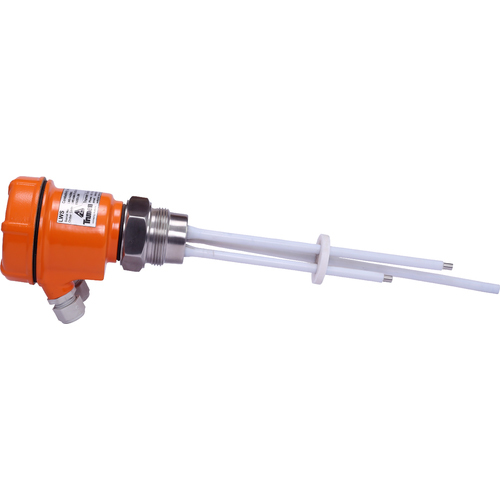
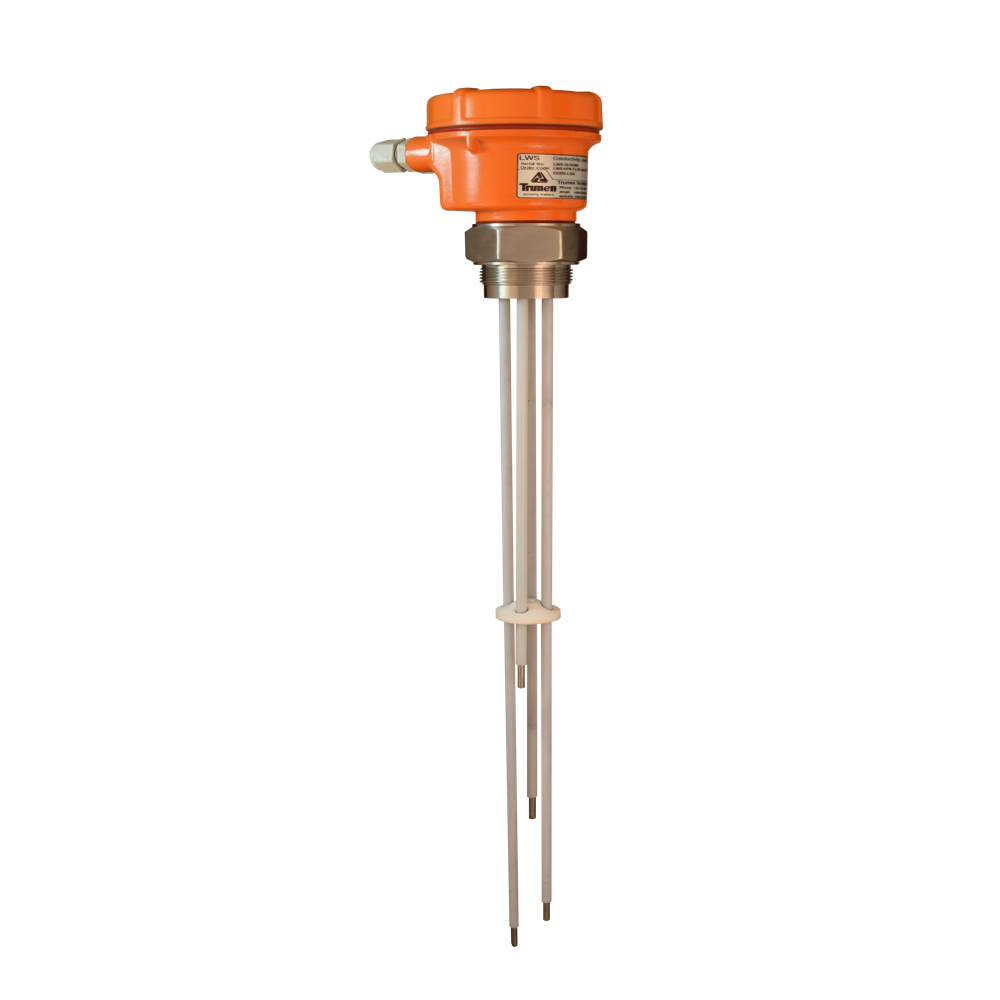
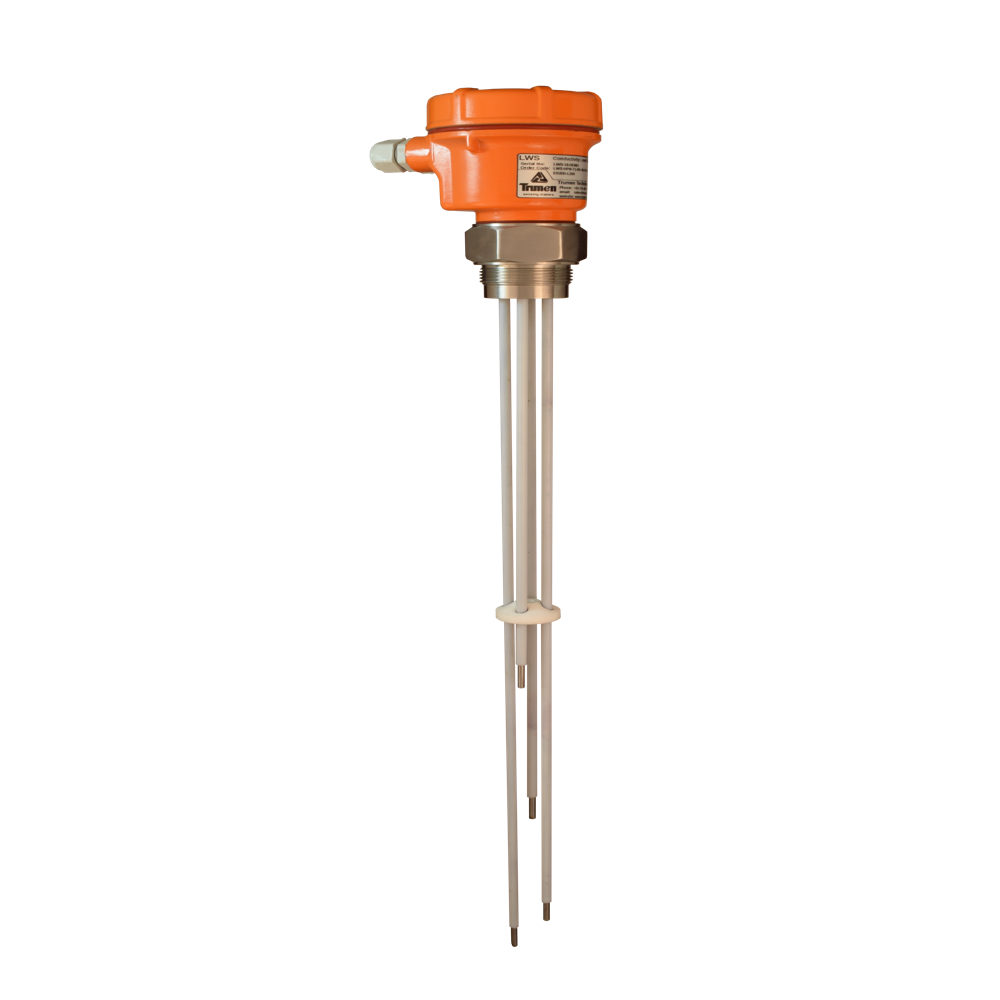
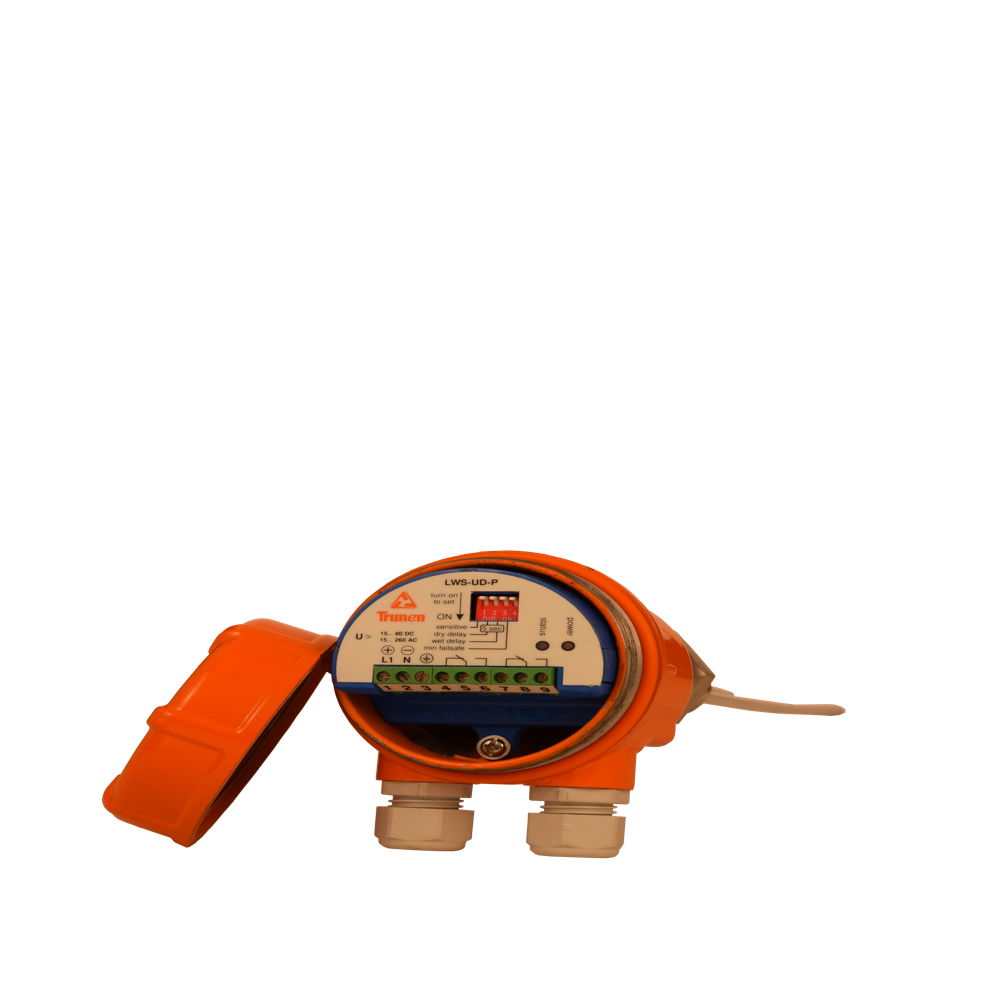
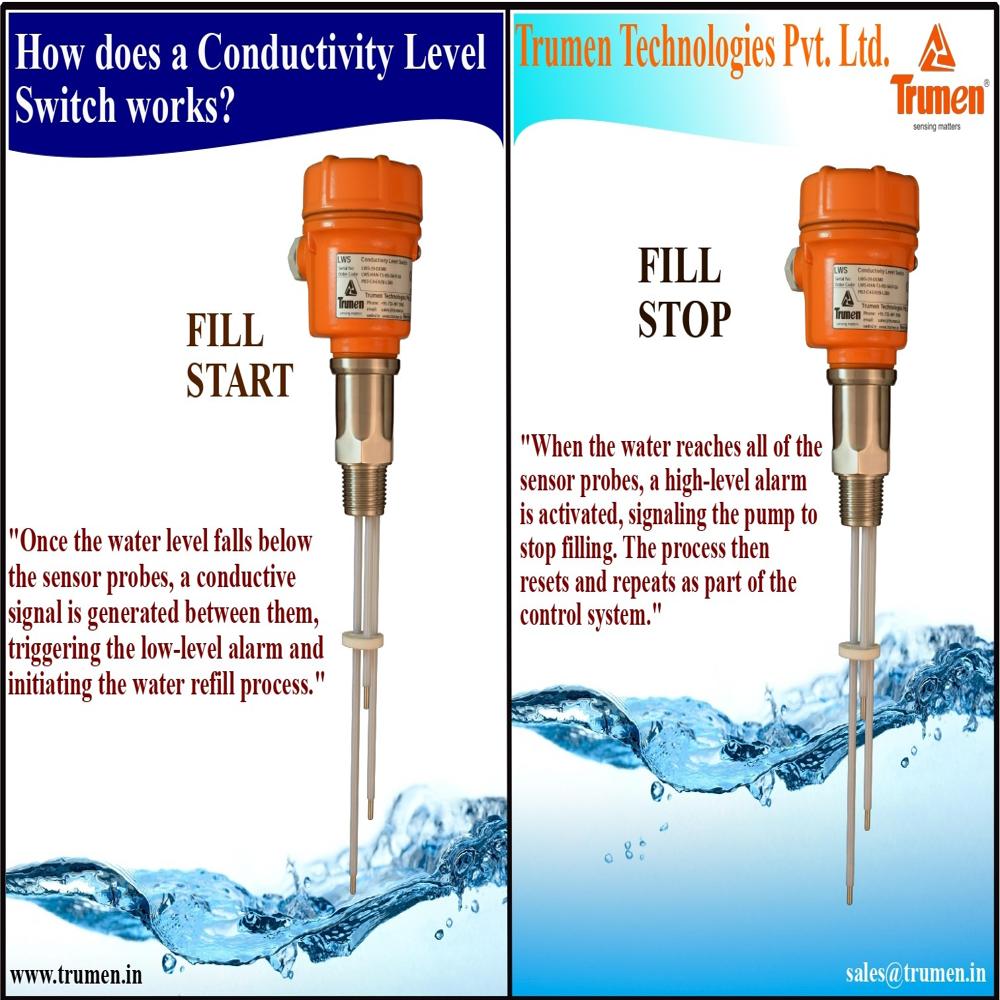
Conductivity Level Switch-LWS
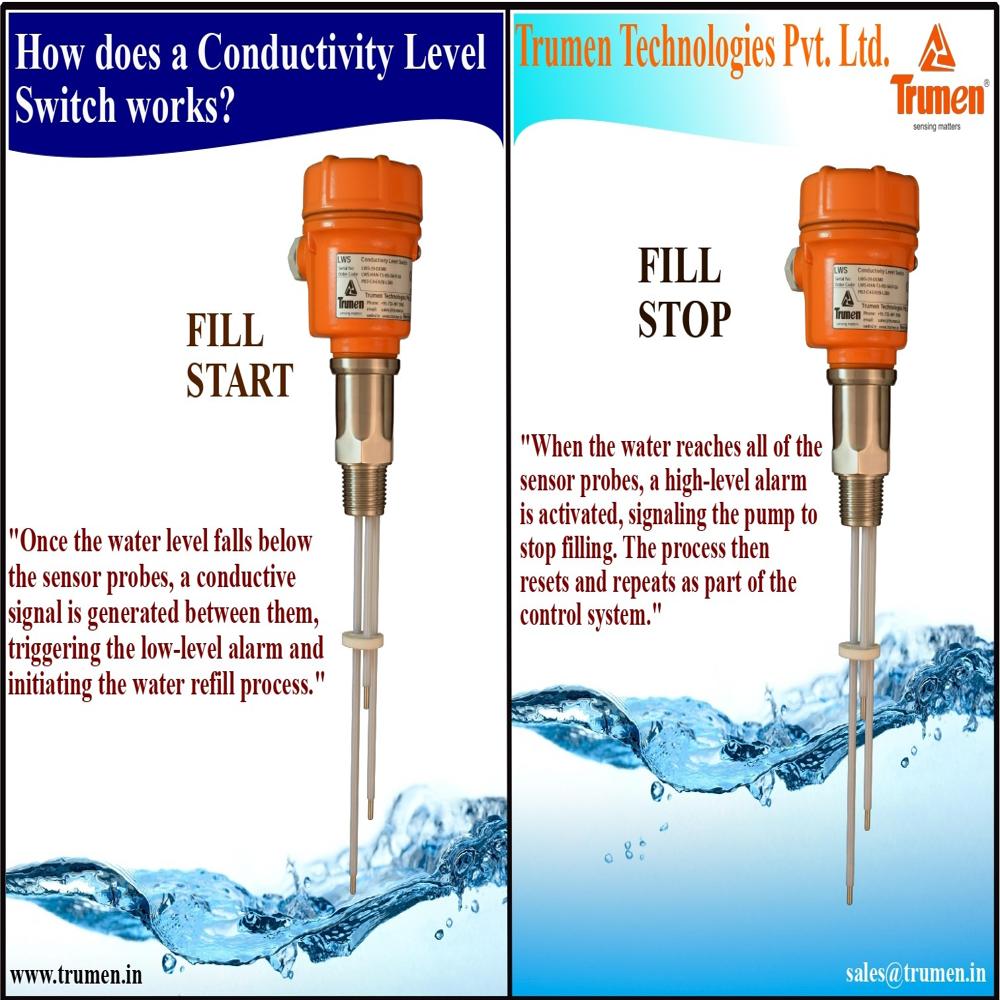
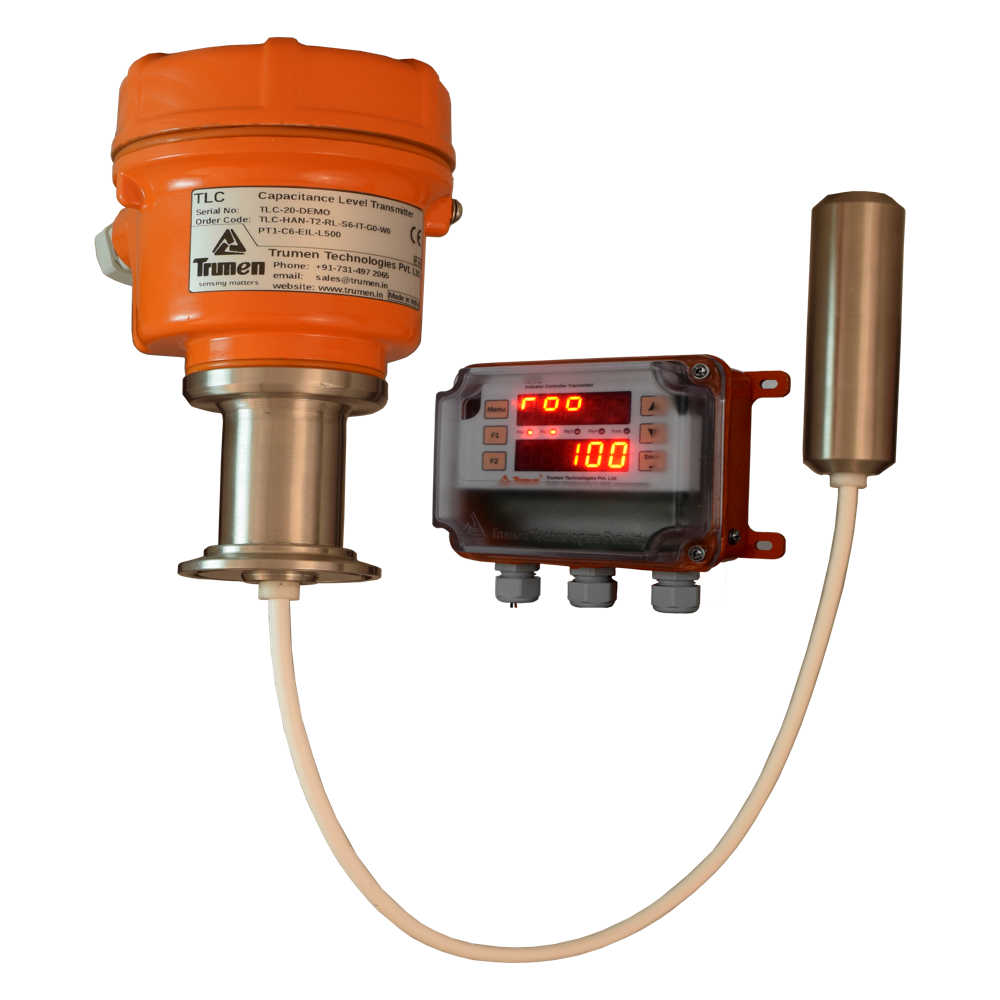
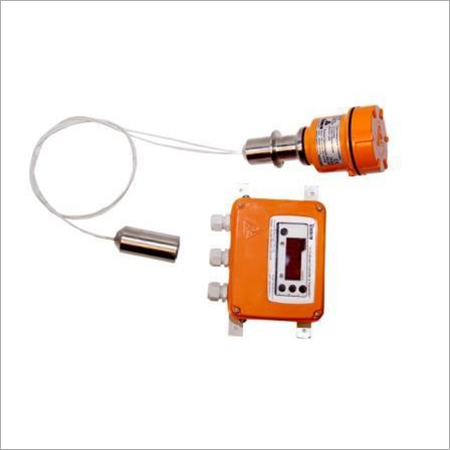
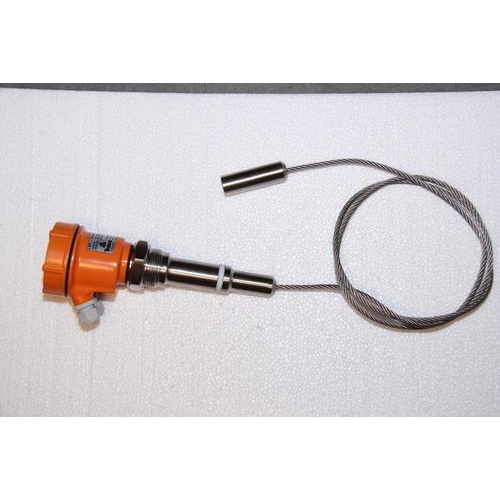
We are a trusted entity, successfully engaged in manufacturing, exporting and supplying optimum quality Water Level Indicator. The provided product is ideal for home apartments, commercial complexes and factories. It helps to overcome the problem of water wastage from overflowing tanks. This Water Level Indicator Device is precisely engineered using premium grade components under the direction of our experienced experts.
Key Points: - Measure water level easily.
- Can also be used for detecting fuel levels.
- Easy to maintain.
- Does not affected by vibration, density.
Product details
| Ambient Temp | -20 to 60 deg C |
| Min Conductivity | 20 uSiemens |
| Process pressure | Max. 3 bar |
| Process temperature | Max 200 degree celsius |
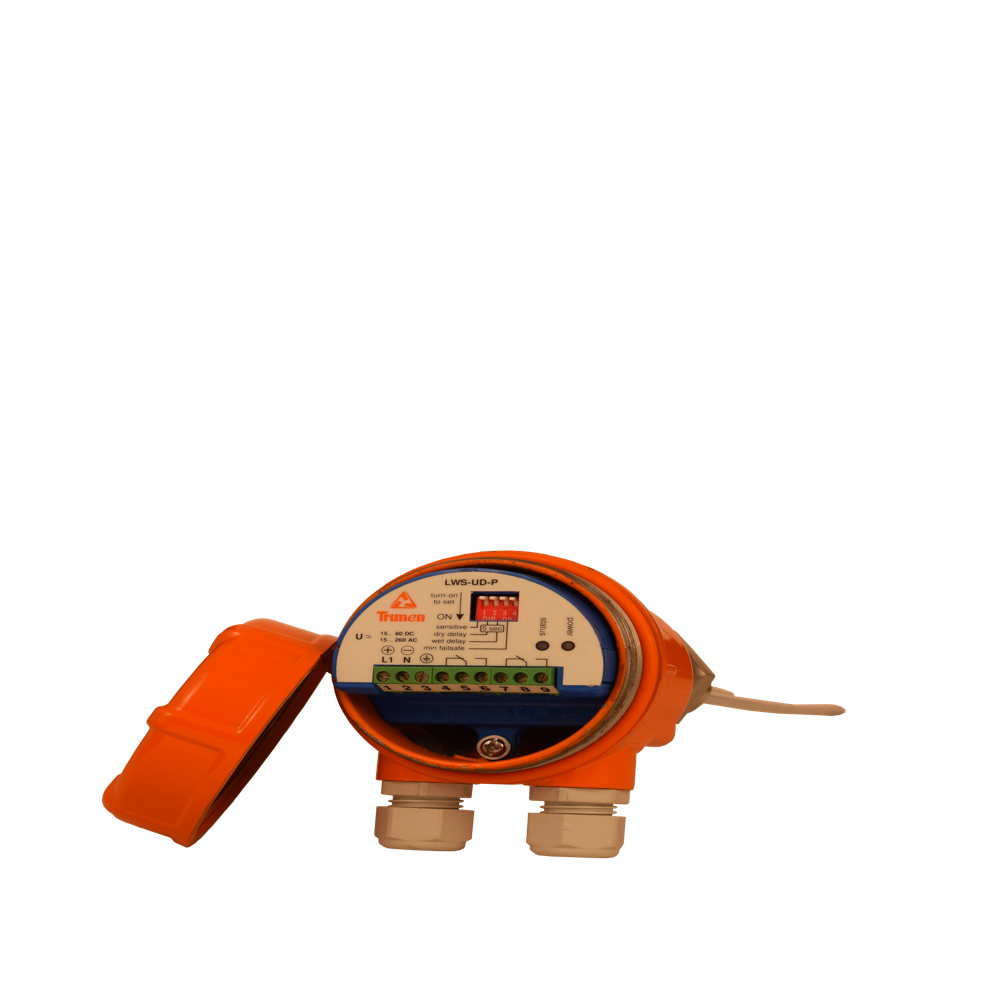
| Supply and Output | 15 to 60 VDC |
| Universal AC Input | 80 to 260 VAC |
| Universal DC Supply Input | 12 to 60 VDC |
| Universal In DPDT Output | 15 to 260 VAC |
| Model | LWS |
| Frequency | 50/60Hz |
| Brand | Trumen |
Superior Accuracy for Industrial UseEngineered for high-precision water level monitoring, this indicator delivers 1 mm accuracy, minimizing the risks associated with false readings in critical industrial processes. Its robust construction and advanced conductive sensing technology ensure consistent performance across various sectors.
Versatile Mounting and Reliable OutputDesigned for hassle-free integration, it supports both top and side mounting configurations. The standardized 4-20 mA analog output enables seamless connection with PLCs or SCADA systems, thus simplifying process automation while upholding measurement integrity.
Built to Withstand Harsh EnvironmentsManufactured from stainless steel and boasting an IP67 rating, the indicator resists corrosion, dust, and water ingress. Its broad operational and working temperature range ensures longevity and dependability, even in rigorous industrial environments common in Indian manufacturing and processing facilities.
FAQs of Water Level Indicator:
Q: How is the water level indicator typically installed in industrial environments?
A: The water level indicator is designed for versatile installation, allowing for both top and side mounting on tanks or reservoirs. Its compact size makes it ideal for integration into a wide range of industrial setups, accommodating diverse process requirements.
Q: What is the primary benefit of the 1 mm accuracy in this water level indicator?
A: The 1 mm accuracy ensures highly precise water level monitoring, reducing errors, and helping prevent overflows or shortages. This fine measurement supports critical industrial processes where exact water levels are necessary for efficient and safe operations.
Q: When should this water level indicator be chosen over other types?
A: This indicator is especially suitable when high accuracy, durability, and robust environmental protection are required. Its IP67 rating, wide temperature range, and stainless steel construction make it an excellent choice for demanding industrial applications.
Q: Where can this water level indicator be used within an industrial facility?
A: It can be employed in multiple locations including storage tanks, reservoirs, or process vessels where liquid level monitoring is essential. Its top and side mounting flexibility enables usage across various parts of a facility.
Q: What is the process for taking readings from the water level indicator?
A: The device uses a conductivity-type sensor and outputs a standardized 4-20 mA analog signal to transmit water level data to a connected control system like a PLC or display unit, allowing for continuous real-time monitoring.
Q: How does the IP67 rating benefit industrial operations?
A: An IP67 rating ensures the indicator is dust-tight and protected against immersion in water, which is crucial for reliability in harsh industrial environments prone to dust, moisture, or accidental water exposure.
Q: What are the advantages of the indicators low power consumption?
A: Low power consumption helps reduce operational costs, supports energy-efficient initiatives, and allows for reliable long-term usage, contributing to the overall sustainability of industrial operations.











 Send Inquiry


